article · Kitchen & bath
Limestone Beverage Station: review pattern placement
A limestone beverage station is used for coffee, wine and citrus drinks, while glass washing takes place at an adjacent sink. Consider this hypothetical pattern placement problem: The preferred limestone feature is mostly hidden by the coffee machine in the proposed arrangement. Pattern planning asks which parts of the material will remain visible after the room is occupied. The conflict in this exercise concerns a real face or obstruction, so compare the annotated layout with the available material instead of rewarding the most dramatic uncut sample.
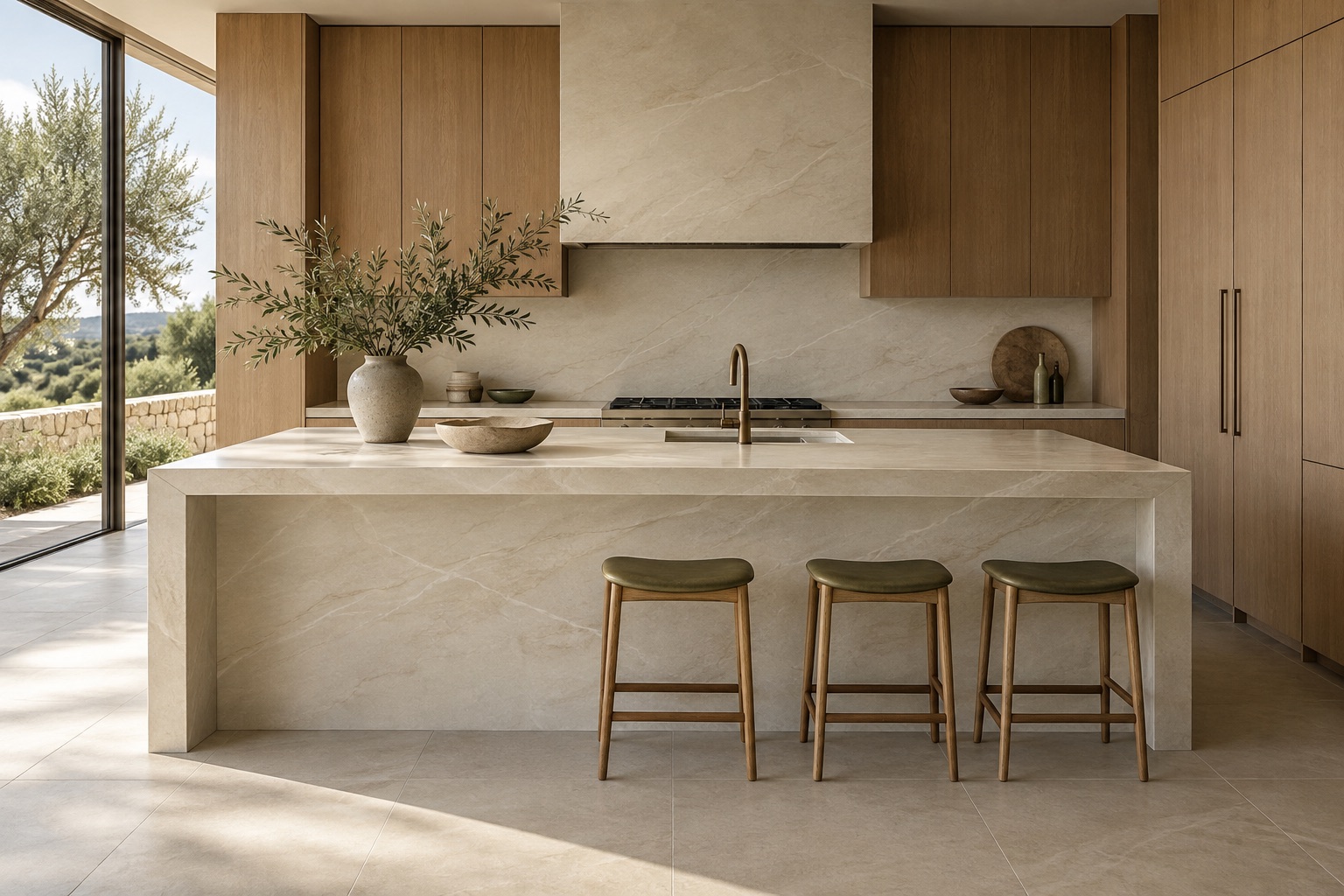
Develop the pattern placement case
A limestone beverage station is used for coffee, wine and citrus drinks, while glass washing takes place at an adjacent sink. Consider this hypothetical pattern placement problem: The preferred limestone feature is mostly hidden by the coffee machine in the proposed arrangement. Pattern planning asks which parts of the material will remain visible after the room is occupied. The conflict in this exercise concerns a real face or obstruction, so compare the annotated layout with the available material instead of rewarding the most dramatic uncut sample.
A worked pattern placement board for limestone beverage station could begin with these explicitly provisional entries: Machine footprint: shown; guest-facing strip: identified; desired feature position: owner review pending. The Natural Stone Institute makes identification of the stone a starting point for care. Use the named material and supplier instructions to frame this decision, keeping appearance preferences and editorial coordination suggestions separate from verified product performance. The record separates a desired feature from the area that daily use hides or removes. Show both on the same presentation and ask the responsible professional to explain the feasible arrangement.
Complete a pattern placement board
The focused task for this limestone beverage station decision is: Mark the guest-facing serving edge separately from the appliance zone to decide where visible variation matters most. In this example, the completion or exception condition is specific: The accepted pattern reflects the exposed serving face instead of the most attractive part of the unoccupied slab. The machine hides the preferred feature during normal service; viewing the occupied station directs the pattern choice toward the strip guests actually encounter. Use the stated task to request a revised visual proposal, with the affected area clearly marked. If the preferred feature cannot remain visible as imagined, ask whether another composition is acceptable before committing to material use.
Apply the decision to the actual responsibility boundary for limestone beverage station: The fabricator and plumber coordinate the sink and any equipment openings, with the cabinet installer confirming the completed supporting furniture. Close the visual review on an understandable composition linked to the material being supplied. The record should preserve the owner's priorities and the professional's feasible proposal as different contributions. The example remains an editorial exercise; its provisional entries are prompts to obtain real project answers, rather than claims about an installed job or a supplied product.
Sources
- Care and cleaning of natural stone Natural Stone Institute
- Installation standards for countertop fabricators Natural Stone Institute